
Table of Contents
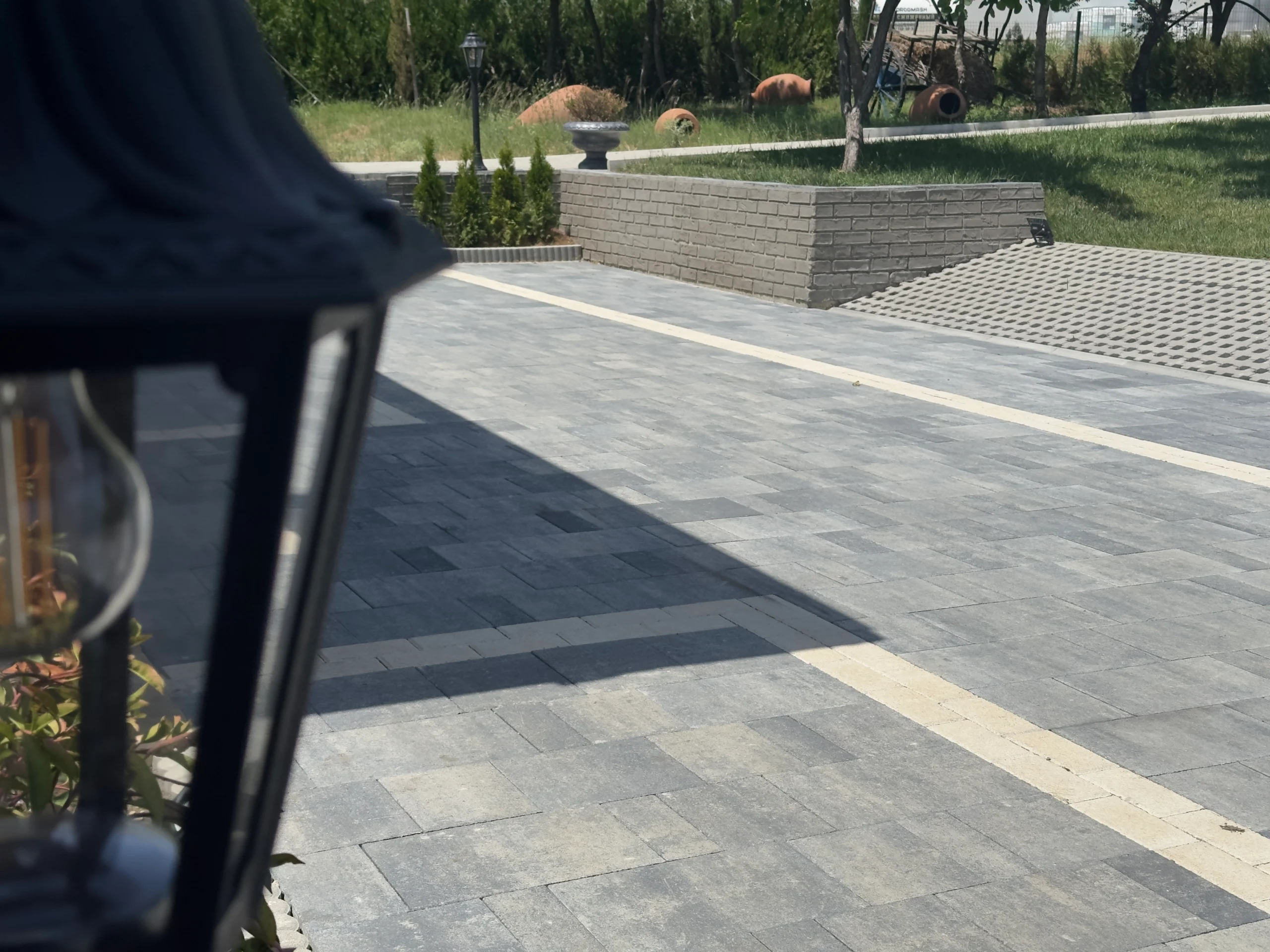
During the construction process, many people wonder how the price of building materials, specifically yard tiles, changes during different periods of the year. This issue is especially important for those planning to landscape their outdoor spaces or other construction projects and wanting to choose the optimal time to buy paving slabs.
In many countries, there is a common belief that in winter, construction materials, including yard tiles, become cheaper due to decreased demand. It is also often said that in summer, during the active construction season, prices increase. However, it is interesting to see how much of this corresponds to the Georgian reality.
In this article, we will discuss in detail what factors determine price changes, how the market works in different seasons, and what you should consider when buying yard tiles. Here, we will try to answer the main and most relevant question: do the prices of yard tiles change according to the seasons?
Myth or Reality?
Surprisingly, in Georgia, yard tiles do not depend on seasonality in terms of price changes. Most Georgian companies, including “Legi,” do not increase the price of products just because it is winter or summer.
As a rule, the cost of a particular material may change at the beginning of the year when companies review their prices based on the previous year’s economic indicators, inflation, and other factors. This is clearly not related to seasonality for the simple reason that climatic conditions in Georgia allow the production of yard tiles to continue unhindered throughout the year.
Unlike other countries (e.g., England, Germany), our country does not have such harsh climatic conditions that production stops completely in winter. While it is not excluded that the process may be delayed for 1-2 days, this circumstance does not pose problems for construction works and, moreover, does not make the product more expensive.
Why Might the Price of Yard Tiles Change?
If not seasonality, then what affects the price of yard tiles? This question has several key answers:
Raw Material Cost
The prices of the main components needed for the production of yard tiles — cement, sand, gravel, and pigments — are directly reflected in the cost of the final product. If suppliers increase the price of raw materials, it inevitably increases the price of yard tiles.
For example, the price of cement, which is one of the main components for the production of concrete paving slabs, can change due to both international market fluctuations and local reasons. Accordingly, it is clear that such changes are not related to any specific season but rather to global economic processes.
Additionally, it should be noted that the pigments used to make colored yard tiles are often imported, and their price depends on exchange rates, international market trends, and transportation costs.
Production Costs
Components such as utility bills, employee salaries, and electricity costs also play an important role in determining the cost of yard tiles. If these costs increase, they will certainly be reflected in the value of the final product. Changes in labor regulations can also be a reason for price revisions.
Transportation
Transportation is one of the critical factors that significantly determines the final cost of yard tiles. This aspect is especially relevant when dealing with imported products, as rising fuel prices, increased shipping rates, or sharp changes in exchange rates directly affect transportation costs, which ultimately increases the retail price. However, in the case of “Legi,” these risks are minimized because only the pigment is imported in our plant.
In general, besides currency risks, transportation costs are also affected by seasonal factors. For example, during the winter period, road conditions can become difficult, which in many cases also increases delivery times and costs.
Therefore, it is recommended to find out how stable the supplier’s logistics network is. Some manufacturers offer customers the possibility of price fixation for a certain period, which protects the buyer from risks caused by exchange rate fluctuations.
Transportation costs are relatively lower for locally produced yard tiles, although the location of the construction site should still be considered. Before buying, be sure to clarify what additional costs may arise during the delivery process, including the delivery of the curb and other road elements.
Production Process in Different Seasons
Experience shows that the production process continues continuously throughout the year, although each season still has its own specifics and challenges. Demand variability, market dynamics, and climatic conditions have a significant impact on both production intensity and marketing strategies.
- Winter: Although demand decreases relatively in winter, production in Georgia does not stop. Companies, including “Legi,” continue to work at their usual pace. During this period, information campaigns are active to attract large clients who might buy yard tiles even for the next season.
- Spring and Summer: The active construction season starts from spring-summer, and accordingly, the demand for yard tiles increases the most during this time. The production process is at maximum capacity, but prices still remain unchanged. Many clients who planned their purchase in winter take their paving slabs from the factory during this period.
- Autumn: Construction work is still active in autumn, although demand gradually decreases towards the end of the season. Nevertheless, manufacturers continue to produce products and replenish stocks.
Factors to Consider Before Buying Yard Tiles to Get the Best Deal
Purchasing yard tiles is a significant investment. Even though market prices are mostly stable, there are still effective strategies to help you save money:
- Preliminary Research and Price Comparison: Compare offers from different manufacturers. While basic costs are similar for almost everyone, companies may differ in markups, marketing strategies, and additional services.
- Plan Ahead: If you have decided to buy yard tiles in spring or summer, it might be better to start negotiations in winter. Since companies are relatively less busy during this period, they may offer you more flexible and favorable conditions.
- Stay Informed About Market Trends: Pay special attention to the cost of components like cement, sand, and pigments. If an upward trend in raw material prices is observed, it is advisable to speed up the purchase process.
Conclusion
After a detailed review, it is clear that in Georgia, the pricing of yard tiles is influenced not so much by seasonal factors as by the economic situation, changes in raw material costs, and production cost dynamics.
High-quality paving slabs often require a larger investment, but due to their durability, aesthetic appeal, and low maintenance costs, they can ultimately be much more cost-effective. Therefore, evaluate yard tiles only by considering the long-term perspective.
Remember, the best time to buy yard tiles is when you have conducted thorough research on market offers and are ready to make an informed decision considering product quality, price, and the manufacturer’s reputation.