
Table of Contents
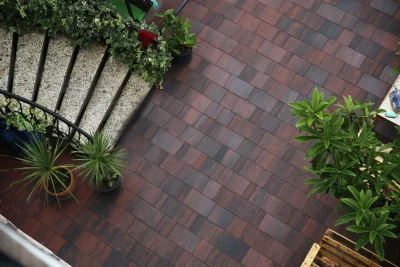
Choosing the color of yard tiles is one of the most important processes which, surprisingly enough, ultimately impacts our daily lives. The reason is simple: color creates an atmosphere, influences emotional states, and shapes the overall aesthetic of an open space. When buying paving tiles for the yard, a correctly selected color palette determines how harmoniously your yard blends with the overall landscape design.
Color psychology reveals that each color triggers a different psychological reaction in humans. Therefore, focusing on this aspect is especially important when dealing with open spaces where we spend significant time with family and friends.
Thus, color selection should be approached with particular caution, as this decision will have a long-term impact on the family’s daily comfort and the overall atmosphere of the yard. An incorrectly chosen color may damage the visual perception of the open space, reduce its functionality, and diminish its aesthetic value.
Yard Paving Tiles and the Influence of Warm Colors
According to specialists, warm colors such as orange, yellow, red, and their tones intensify the feeling of warmth. These colors visually reduce the space but create more comfort and intimacy. Using warm colors in open spaces helps create zones where people naturally gather and where there is a more domestic atmosphere-ideal characteristics for common gathering areas.
Furthermore, warm colors are particularly effective against the backdrop of evening lighting in open spaces. They radiate sun-like tones, which subconsciously leave a feeling of safety and warmth. Additionally, warm colors are especially valuable in harsher climates where winter is much longer. They visually elevate the sensation of temperature and create a more pleasant environment.
The Role of Cool Colors in Yard Design
Cool colors, including blue, green, and purple tones, evoke a sense of coolness, tranquility, and harmony in an outdoor space. Their proximity to the natural environment visually expands the space, creating a clean, airy atmosphere conducive to relaxation.
Such colors blend particularly well with plants and water-related elements, such as fountains, pools, or decorative ponds. Cool tones are also ideal if you want to create a balanced and peaceful environment in your yard design.
Moreover, cool colors look exceptionally elegant under evening lighting-as they say, they bring more mystery and depth to the open space, giving the yard a more sophisticated and modern look. Maintaining a balance between warm and cool colors allows you to make the yard functionally diverse, visually rich, and emotionally multi-layered.
Color Harmony: Tones Close to Nature
Natural colors close to the environment, such as earthy, sandy, clay tones, or various shades of wood, create a uniquely cozy and evenly neutral atmosphere in yard design. They blend perfectly with both green plantings and architectural elements.
These colors do not overshadow the natural landscape; on the contrary, they strengthen the connection with the environment and help the space fit naturally into a unified context. This is why natural tones are ideal for those who admire moderate aesthetics and organic integrity in design.
Furthermore, natural tones have another significant advantage-they are less affected by time, and importantly, paving slabs in these colors are always relevant.
Consequently, it is clear that this issue is not just a visual decision-it is an expression of your lifestyle, emotional mood, and attitude toward the environment. A correctly selected color palette, whether warm, cool, or natural, transforms the yard into a space where being present is always pleasant.
When the Color of Yard Tiles Harmonizes with the House Facade
The color of the yard tiles should not only fit the landscape design-it must also be coordinated with the house, especially its facade. The facade creates the first impression of the building, while the tiles represent its visual extension. Therefore, for the integrity of the space, the harmonious interconnection of these two elements is of decisive importance.
If your house facade is light-colored (white, beige, light gray, and other neutral tones), you can boldly use both warm and cool colored tiles-the main thing is to maintain contrast or create a harmonious spectrum in tonal alignment.
In the case of dark facades, it is advisable to use brighter or natural colored tiles so that the space does not become overly heavy. In such cases, natural colors-wood tones or light earthy options-will not only visually brighten the yard but also reduce the disharmony caused by excessive contrast.
Matching textures is also important-if brick, stone, or wood materials are used for the facade, it would be good if the structure and texture of the tiles also match or visually complement the same aesthetic. This adds depth and integrity to the design.
Advantages of Using One or Multiple Colors
Installing tiles in a yard requires a detailed analysis of all aspects-at this time, consumers often ask whether to choose one dominant color or a combination of several tones. Obviously, there is no single specific answer here, as both approaches have their advantages, and the final result depends on the design style, the functional purpose of the yard, and the owner’s taste.
A yard paved with single-colored tiles does not visually overload the space and is especially effective when there are many other elements in the yard-decorative plants, architectural details, or colorful furniture. Monochromatic tiles blend exceptionally well with minimalist or modern styles.
However, if you want your yard to be distinctive, diverse, and visually more interesting-then a combination of different colors is an excellent choice. With different tones, you can highlight various functional zones of the yard-the entrance path, the resting space, or a part of the garden.
This approach works particularly well in the following cases:
- When the yard area is large and you want to give it more structure and dynamics.
- When the color combination blends with the facade or specific architectural elements, such as a curb.
Paving Tiles in the Yard and Color as a Detail Defining Your Character
Choosing colors may seem like an insignificant detail at first, but remember that the overall character and atmosphere of your yard are hidden in this decision. Therefore, before buying yard tiles, evaluate them not only by quality or durability but also from emotional, visual, and functional perspectives. Think-what kind of feeling do you want to circulate in this space? Or where should the eye rest?
This choice is much more than just a visual decision-it speaks silently of your taste, your attitude toward life, and the people with whom you share this space.
Choose a color or a color combination that makes you sincerely think every time: “This is truly my yard”-only then can you say with certainty that you made the right choice.