
Table of Contents
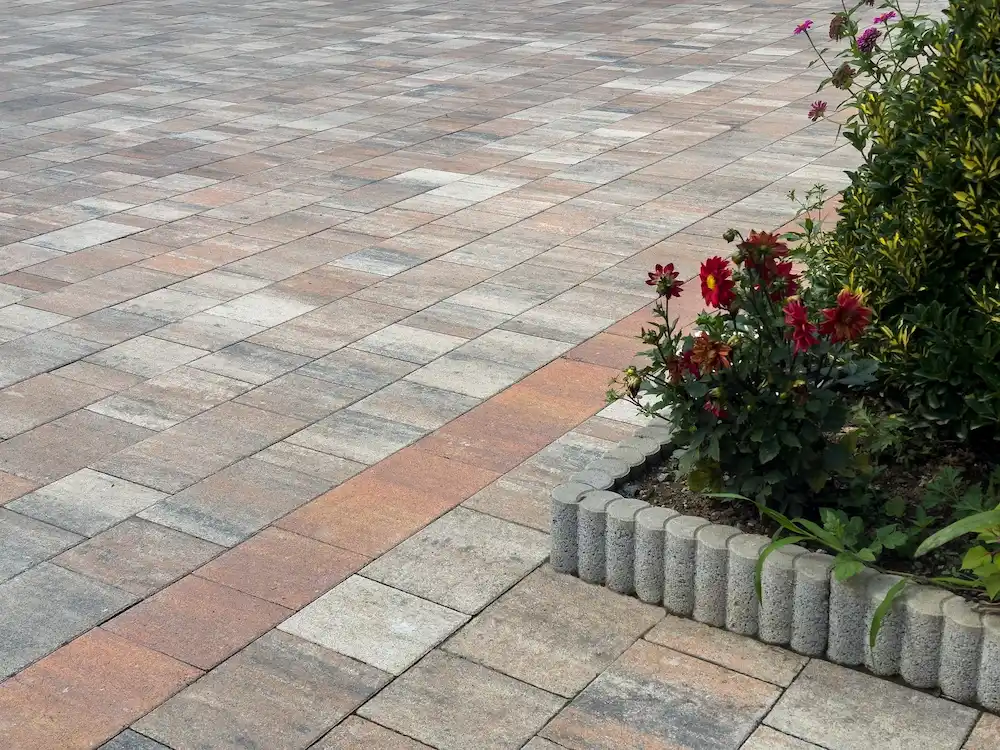
Paving a yard with concrete tiles has long moved beyond mere practical necessity and has become the primary creative tool for outdoor space design. Today, yard tiles are a means of expressing imagination and individual style, defining a yard’s identity not only through shape and texture but also through the emotion that the space evokes both visually and functionally.
In this process, a concrete tile is no longer just a material-it becomes a medium through which architectural logic and personal vision connect harmoniously. That is why the selection of tiles plays a decisive role in modern yard planning: with the right combination of texture, color, and shape, you can create an environment that goes beyond functionality and fully blends with the owner’s rhythm of life.
Design Where Color and Shape Decide Everything
Today, yard tiles offer an almost unlimited choice-you can find neutral tones for a minimalist yard or vibrant color combinations for a more expressive design. A variety of shapes allows for the creation of simple compositions as well as complex ornaments, which often breathe entirely new life into a space.
One of the most effective approaches to yard zoning is the wise use of color. For example, selecting darker-toned tiles for paths while paving relaxation areas with bright colors not only creates visual variety but also proves practical-such a decision emphasizes the natural direction of movement and simplifies orientation within the space.
How to Turn a Paving Tile into a Design Object?
A concrete yard tile is not just a surface covering; it allows you to act like a sculptor. Specialists recommend that instead of a template style, we should formulate our own vision and follow it meticulously throughout the paving process. In this context, creating mosaic structures is particularly effective; for instance, the asymmetrical arrangement of different-sized tiles creates a sense of depth that adds visual energy to the space.
Another interesting method can be turning certain sections of the tiles into a decorative composition-this will not only beautify but also add specific meaning to the overall layout. Such details work especially effectively in zoned yards. For example, a geometric mosaic placed in the middle of the garden can become a central point for gathering and relaxation-a kind of core for the space that immediately catches the attention of those around.
Light-Decorated Yard Tiles – A Main Stroke of Night Architecture
In daylight, a yard fully reveals its compositional integrity-colors, textures, and structures are direct, visible, and tangible. However, as soon as the sun sets, the space moves into a completely new dimension. This is when the vital role played by the synthesis of lighting and concrete tiles is best seen-together they create the yard’s “night architecture,” where every element takes on a completely different look.
Embedding light sources between tiles not only reveals visual directions but also practically shapes the logic of movement. When light follows the arrangement of the tiles, it creates distinct lines that simplify orientation and provide a clear path. Integrating LED lights directly into the tile surface enhances the visual effect alongside additional functionality-the light highlights the texture, shape, and architectural geometry of the surface.
Thus, lighting becomes not just an additional element, but a structural companion to the design, emphasizing the layout of the concrete tiles and the overall spatial logic of the yard. The result is an environment that is simultaneously organized and aesthetic, remaining just as functional at night as it is in daylight.
Yard Tiles – What You Must Consider Before Buying
When choosing concrete tiles as the main material for refreshing your yard, properly assessing quality is of particular importance. When buying paving slabs, pay attention to essential characteristics such as optimal thickness, frost resistance, anti-slip surfaces, and color stability under prolonged sun exposure. No less important is the presence of certification and the manufacturer’s reputation-these factors determine how durable and visually stable your yard’s final look will be over the years.
Concrete Tiles as a Key Element of Personalized Space
Arranging a yard with concrete tiles is a creative process that makes the exterior more comfortable and functional. Each tile shapes the look of the yard while reflecting the family’s daily life: children’s steps, meetings with friends, moments of working in the garden, and other daily activities typical of outdoor spaces.
Over time, traces of use appear on the surface of concrete tiles-small scratches, minor wear, and other signs that give the material a natural look and create a visual history related to the family’s daily routine. It is during this process that the tiles develop the special character that distinguishes them from other materials.
Furthermore, it is important that every corner in such a space has its specific function. With proper planning, the yard should respond to daily needs. For example, one section can be used for relaxation, another for family gatherings, and a third for children’s activities. Separating these zones is easily achieved with concrete tiles, and the durability of the surface ensures that your space remains a practical and safe alternative for all purposes.
Even the borders of these zones can be defined using a curb to create a clean finish. Most importantly, such a complete yard arrangement directly reflects on the perception of the indoor space as well. When you look out the window and see a clean and functional environment, a completely different atmosphere is created throughout the house. A natural connection emerges between the exterior and interior spaces, giving the home a more harmonious look overall.
Finally, besides being quite practical for daily use, such a yard creates a more stable and organized rhythm-offering space for both relaxation and active time. This is not just functional comfort; it is a quality that becomes even more valuable over time.