
Table of Contents
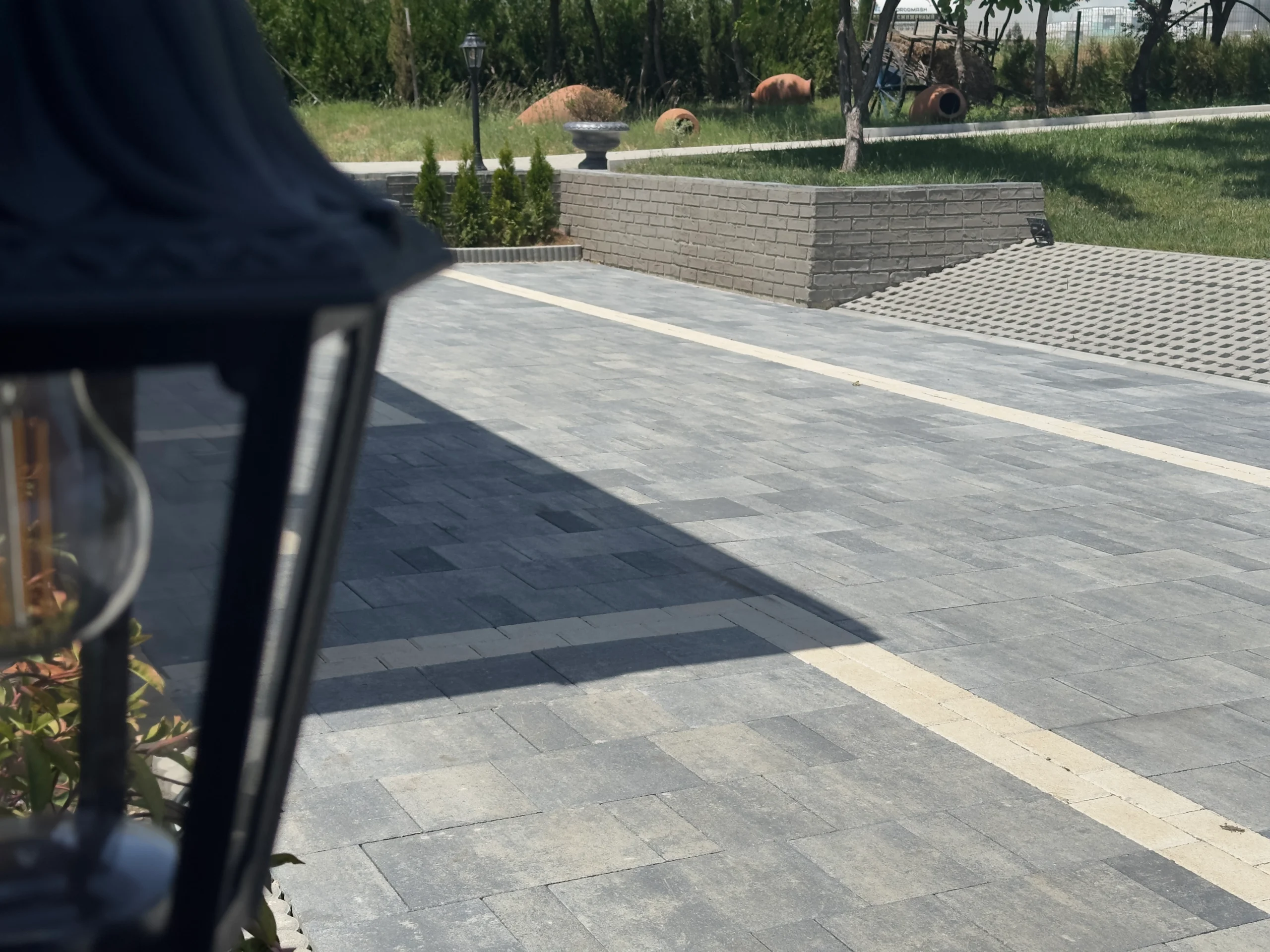
In the modern urban environment, where living space is often limited, the effective use of a yard and its visual expansion acquires special importance. In most cases, owners struggle with the challenge of a small yard, which is not such a big problem because, with proper planning and decoration, a small yard can create the impression of a large space. One of the most effective ways to achieve this goal is the strategic installation of tiles. By thoughtfully selecting the size, shape, color, and layout of the tiles, it is possible to create an illusion that the space is much larger than it actually is.
Yard tiles, besides being practical and functional elements, are considered powerful design tools that can radically change the perception of space. Correctly selected and laid tiles in the yard not only create an aesthetic visual but also separate functional zones and form the overall atmosphere. When space is somewhat limited, it is especially important to use all elements, including tiles, to achieve the maximum visual effect.
Space Optimization Through Design
Optimizing the yard space and its visual expansion begins with a well-thought-out design that should consider both practical and aesthetic aspects. A properly planned layout allows the existing space to be used as effectively as possible so that it is perceived as much wider by every person. One of the main principles of design is dividing the space into functional zones to maintain a sense of unity.
Designers often use the concept of “psychological space” and say, for example, that it is a good strategy when yard tiles are used to create a unified path that connects one end of the yard to the other-in their opinion, this leaves an impression of depth. They also say that parallel lines visually expand the space, while a diagonal arrangement gives the yard a dynamic character and makes it appear larger.
To optimize space, it is also important to consider the characteristics of human perception. For example, if tiles are arranged so that they are directed from the house toward the depth of the yard, this, of course, will create a sense of perspective.
Yard Paving Tiles: The Effect of Linear Decoration
Linear shapes are one of the most effective ways used to present a yard as wider. Correctly selected and arranged yard paving tiles in linear patterns give the space a more open and organized look. There are several types of linear layouts that work particularly well for small yards.
The first and most common approach is the so-called “longitudinal arrangement,” where tiles are laid in long, parallel lines along the main direction. Such a layout visually elongates the space and directs the gaze forward, which also creates an illusion of depth. The second effective method is a diagonal arrangement, where tiles are laid at a 45-degree angle. This technique is especially practical and clever for small yards, as diagonals give the yard a visually dynamic, modern look.
The third method is a “zigzag” pattern, where tiles are arranged to create wavy lines. Such a dynamic pattern breaks the perception of the yard’s boundaries and intensifies visual interest.
Geometric Symmetry: Balance and Harmony
So-called geometric symmetry is a classic design principle that can be effectively used to enlarge a yard. A symmetrical arrangement creates a sense of balance and order, which improves the perception of space and increases its visual impact. Symmetrical design can be both formal (exact mirror reflection) and informal (balanced but not identical).
Additionally, one popular approach is highlighting a central axis, along which tiles and other landscape elements are arranged symmetrically on both sides. This arrangement creates a formal, sophisticated look and strengthens the perception of the depth of the space.
The Power of Color: How Space Can Be Expanded Using Color
It is well known that color is one of the powerful tools for manipulating visual perception. A correctly selected color scheme can significantly increase the visual size of a yard. According to the general principle, light colors create a sense of space expansion, while dark colors, on the contrary, reduce it. Accordingly, for small yards, it is recommended to select tiles designed in light tones.
Furthermore, a color scheme that uses different tones of the same color creates a sense of continuity and unity, which also visually expands the space. For example, a light gray option can be matched with tiles that have darker gray accents.
Using transitional color tonality is also effective. For example, lighter-colored tiles in the distant part of the yard and darker ones closer. This creates an illusion of depth and strengthens the perception of perspective. In addition, it is important to consider matching the color of the tiles with other elements of the yard, such as the house facade, plants, and furniture, to create a harmonious, unified composition.
Strategic Use of Tiles and Curbs
The strategic use of tiles and a curb is another effective method for the visual expansion of yard space. Curbs not only carry a functional load but also represent important design elements that can define and separate specific zones.
The combination of yard tiles and curbs can be used for the visual partitioning of space, and surprisingly enough, this at least seemingly expands the environment. For example, instead of one large unified area, you can create several small, interconnected spaces, which will turn the yard into a more diverse place.
Tiles That Change the Perception of Space
It is often said that the visual expansion of yard space is an art that requires a thoughtful approach in the process of laying tiles and creating the overall design. However, to achieve this effect, it is important to follow several basic principles mentioned above.
First, as already noted, the arrangement of tiles should create direction and perspective. Longitudinal or diagonal lines that direct the gaze toward the depth of the yard enhance the sense of space. The second important aspect is the correct selection of colors-light tones and a uniform color scheme also expand the space from a visual point of view.
No less important is considering the scale-for small yards, it is better to use relatively small or medium-sized paving slabs to avoid a feeling of being overcrowded.
Ultimately, laying tiles in a yard is a process that requires creativity, strategic thinking, and attention to detail. With the right approach, even the smallest yard can be transformed into a wider, more attractive, and practical space that showcases the owner’s taste and fully satisfies their needs. Remember that correctly selecting and laying tiles is an investment that always significantly increases the value of real estate.